Khazaka argues the firm would not be pouring serious cash into in-house CPU and GPU work unless it wanted Exynos to take a much bigger role in Galaxy handsets.
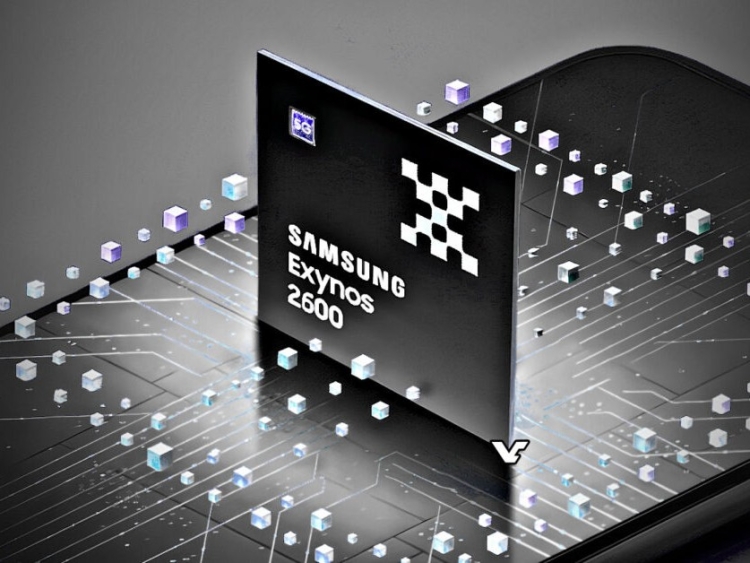
That makes the recent Exynos 2600 announcement land harder. Built on Samsung’s 2nm GAA process, it signals the company's intent to rejoin the cutting-edge foundry conversation.
It points to a longer-term plan to cut reliance on Qualcomm’s Snapdragon parts, which keep getting pricier and harder to justify at scale.
For Exynos to show up in more Galaxy-branded phones, Samsung first has to sort out yields. When Exynos 2600 was said to enter mass production, yields were estimated at 50 per cent.
Samsung can optimise, tweak and massage that number, but the current Qualcomm agreement still shapes the immediate flagship split. The expectation is that 75 per cent of Galaxy S26 shipments will use the Snapdragon 8 Elite Gen 5, with the remainder using the Exynos 2600.
Samsung looks tired of paying Qualcomm a premium for the privilege. Snapdragon 8 Elite Gen 5 is estimated at $280 per unit, and that tees up the next part to cross $300.
Khazaka’s view is that in-house CPU and GPU designs are the route to giving Exynos a proper share of the lineup. Reports about a dedicated internal division focused on homegrown silicon fit that picture.
The Exynos 2800 is tipped to be the first chipset to ship with the full in-house push, and it could boost Exynos's share in the Galaxy S27 family.
Samsung has already pushed graphics harder with the Exynos 2600. Its Xclipse 960 is built on AMD’s customised RDNA 4 variant called MGFX4.
On the foundry side, Samsung reportedly completed the basic design of its second-generation 2nm GAA process. It also plans a third iteration, SF2P+, in two years, because the firm wants the roadmap to look as ambitious as the bill.