The shares have plunged 46 per cent as investors fret about an AI bubble, a collapsed takeover and sniping from short seller Jim Chanos, famous for spotting Enron before it imploded.
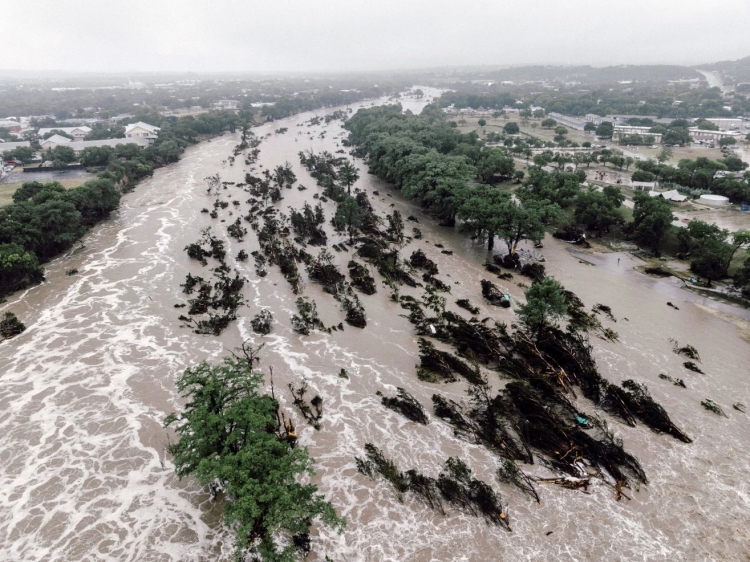
Some of the rot started with rain hammering North Texas. Over the summer, heavy storms and strong winds delayed work for roughly 60 days at a Denton construction site, stopping contractors from pouring concrete for a major AI data centre, according to people familiar with the matter.
That pushed back the completion of a roughly 260-megawatt data-centre cluster that CoreWeave plans to lease to OpenAI by several months, with filings also pointing to design revisions that are causing further delays in Texas and elsewhere.
The slowdown was made worse by muddled messaging from CoreWeave chief executive Michael Intrator, which spooked investors just as the AI trade was wobbling.
CoreWeave’s model relies on high-interest debt to buy thousands of Nvidia chips, slotting them into racks in leased data centres and renting access to AI customers.
With spending on AI infrastructure ramping up, CoreWeave, which is seven per cent owned by Nvidia and backed by hedge funds including Magnetar Capital and Coatue Management, has become a lightning rod for the promise and risk of the boom.
Critics point to the debt pile that funds its build-out and the reliance on a handful of customers, such as OpenAI, Microsoft and Meta, for most of its revenue.
Sales more than doubled in the latest quarter to nearly $1.4 billion from $583 million a year earlier, but the firm remains unprofitable and lost $110 million in the quarter.
In early November, before construction delays became widely known, CoreWeave chief executive Michael Intrator brushed off bubble fears at a Wall Street Journal shindig in Northern California.
CoreWeave, chief executive, Michael Intrator said: “If you’re building something that accelerates the economy and has fundamental value to the world, the world will find ways to finance an enormous amount of business."
OpenAI is one of those buyers, with CoreWeave planning to rent chips at the Denton site once it is finished, built by Core Scientific, a former crypto miner turned major landlord.
On 10 November, Intrator confused matters during an earnings call, initially playing down delays by saying: “There was a problem at one data centre that’s impacting us, but there are 32 data centres in our portfolio.”
He added: “This one data centre will catch up, and then we will move forward from there,” a claim swiftly corrected by CoreWeave chief financial officer Nitin Agrawal.
CoreWeave, chief financial officer, Nitin Agrawal, said delays were concentrated at one data-centre provider, hinting the issue was broader than first suggested.
Intrator later described the problems as “systemic challenges” that were “very frustrating for our clients,” saying the firm was trying to diversify builders.
The cocaine nose jobs of Wall Street were not reassured. The next day on CNBC, Intrator repeated the “one data centre” line before correcting himself again, with the shares sliding 16.3 per cent to $88.39 and continuing to sink into December.
The episode highlights a broader AI industry problem: explosive growth raises awkward questions about when huge capital outlays will translate into decent profits.
At the same time, construction delays and supply-chain snarls threaten to push back hundreds of billions of dollars already baked into valuations, with Oracle and Broadcom shares both down double digits after flagging slower spending.
In late October, Core Scientific shareholders rejected a $9 billion takeover by CoreWeave after hedge fund Two Seas Capital warned the deal would expose them to “high volatility” and “substantial economic risk.”
CoreWeave shares dropped more than six per cent after that deal collapsed, adding to the gloom.
Core Scientific has been flagging delays since February, citing design changes to “optimise GPU performance,” and pointed to weather issues again in August.
Financing is another headache. After Oracle reported hefty capital spending last week, the bond market shuddered, pushing up borrowing costs across tech.
CoreWeave’s cost of insuring against default jumped to 7.9 percentage points, and it has since priced a $2.25 billion convertible bond that risks diluting shareholders.
Two Seas founder and chief investment officer Sina Toussi said the failed takeover made strategic sense for CoreWeave, but the terms were wrong.
“They’re exceptional at getting large workloads up at maximum utilisation and replacing underperforming nodes rapidly without interrupting workflow. But right now the market is concerned about the long-term value of AI.”
D.A. Davidson analyst Gil Luria called CoreWeave’s balance sheet the ugliest in tech.
“The bull case is that they’ll scale into it, and that a lot of companies have low margins to start, but this is a company at scale. There is no scaling going on here,” he said.