The cloud outfit posted quarterly revenue of $16.1 billion, which was a 14 per cent rise on the year, although analysts had expected a little more. Its adjusted operating income rose 10 per cent to $6.7 billion, yet cloud infrastructure revenue for AI punters came in at $4.1 billion, slightly shy of forecasts.
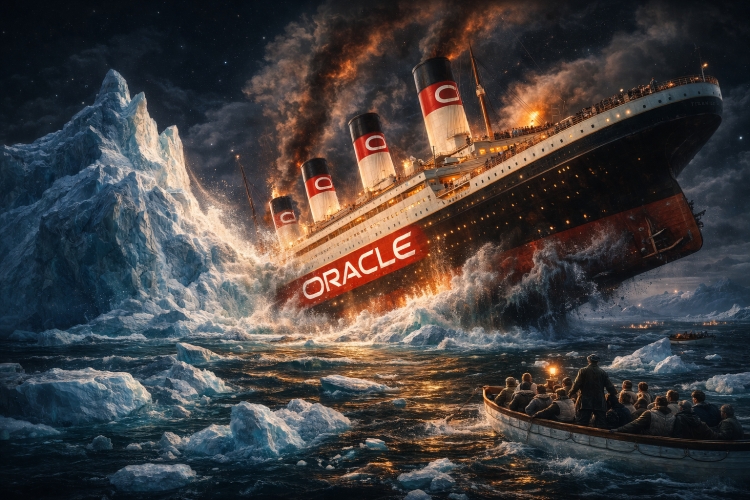
Shares dropped more than 11 per cent in after-hours trading, and the stock has fallen more than 30 per cent since early September. The market scented trouble as Oracle lifted its spending outlook, stirring concerns over when all this AI capacity might actually turn into cash.
Oracle claimed new cloud commitments from Meta, Nvidia and others, saying its backlog rose to $523 billion in its fiscal second quarter, about $68 billion more than the previous period. The September revelation that its backlog had jumped to $455 billion briefly sent co-founder Larry Ellison to the top of the world’s rich list before the share price headed south on worries about the scale of its gamble.
RBC Capital Markets analyst Rishi Jaluria said: “Ultimately, it comes down to ‘how is Oracle going to raise the money? It’s one thing to build a backlog, but having that backlog translate to revenue shows the ability actually to meet those demands.”
Oracle splurged roughly $12 billion on capital expenditures for the quarter, nearly $3.7 billion more than analysts expected. On a conference call, Oracle principal financial officer Doug Kehring said the company’s capital-spending forecast for the current fiscal year would be $15 billion higher than earlier estimates. Kehring said the outfit expected $4 billion in additional revenue from bookings, though not until fiscal 2027, he said.
OpenAI agreed to buy $300 billion in computing power from Oracle across about five years as part of the Stargate data centre plan. In October, Oracle executives said they had signed an additional $65 billion in infrastructure contracts from four customers, excluding OpenAI.
To fund this colossal build-out, Oracle is leaning on the debt markets. It flogged around $18 billion in new investment-grade bonds and now carries more than $100 billion in outstanding debt, the largest pile held by any major tech firm with an investment-grade rating. On Wednesday, Kehring said the company did not expect to need that much for the expansion.
Credit analysts at Morgan Stanley warned that Oracle’s adjusted debt, which includes lease liabilities, is set to more than double to about $300 billion by 2028.
Oracle’s bosses insisted that even if OpenAI’s business does not materialise in full, the new capacity will still find takers. The outfit also sold its stake in chipmaker Ampere Computing this year.
In a statement accompanying the earnings release, Oracle co-founder Larry Ellison said the company was committed to “chip neutrality” and would continue buying Nvidia kit.
“But we need to be prepared and able to deploy whatever chips our customers want to buy. There are going to be a lot of changes in AI technology over the next few years, and we must remain agile in response to those changes,” Ellison said.